
Langtang Helambu Trek: Cost, Distance, Best Season & Itinerary
25th Sep, 2026
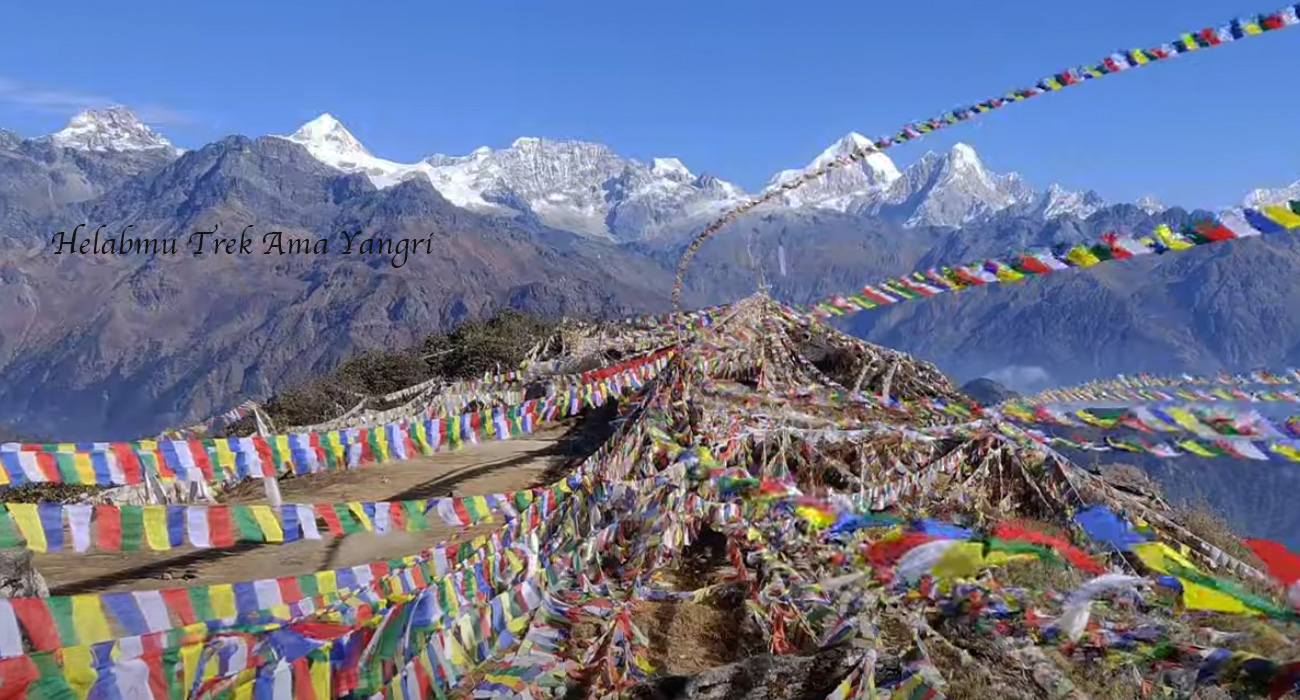
Not every good trek in Nepal needs two weeks and a flight to a mountain airstrip. Tucked into the hills northeast of Kathmandu, the Langtang Helambu Trek proves that point well. You can be walking through rhododendron forest within a few hours of leaving the city, and by the end of the week you'll have crossed a 3,600 m ridge, slept in Sherpa and Hyolmo villages, and watched the sun rise over the Langtang and Jugal Himal ranges, all without ever needing a domestic flight or a high-altitude permit headache.
Table of Contents
This is the trek people choose when they don't have three weeks free, or when they want real mountain views and genuine village culture without the physical toll of a Everest or Manaslu-style expedition. It's also, somewhat quietly, one of the more underrated hikes in the country. The Helambu region is home to the Hyolmo people, a Buddhist hill tribe whose carved wooden windows and old monasteries rarely make it into the trekking brochures the way Sherpa villages in the Khumbu do.
This guide walks through the full 9-day itinerary, the trekking distance, permits, cost and the best time to go. If you'd rather see the current pricing and dates while you read, the Langtang Helambu Trek page has all of that laid out.
Langtang Helambu Trek at a Glance
| Detail | Information |
|---|---|
| Region | Langtang and Helambu, northeast of Kathmandu |
| Duration | 9 days (Kathmandu to Kathmandu) |
| Highest point | Tharepati Ridge, 3,567 m |
| Trek starts / ends | Sundarijal / Melamchi Bazaar |
| Grade | Moderate |
| Accommodation | Teahouses and lodges, twin-sharing |
| Meals | Breakfast, lunch and dinner on the trek |
| Group size | 1–15 |
| Best seasons | Autumn and spring |
| Permits | Shivapuri Nagarjun National Park entry, Gaurishankar Conservation Area permit, TIMS card |
| Daily walking | 4–7 hours, roughly 10–12 km |
Why This Trek Works Well for a Short Nepal Trip
If you're short on time but don't want to trade away the things that make Himalayan trekking worthwhile, this route earns its keep. A few reasons it keeps coming up as a recommendation for first-time visitors and people squeezing a trek into a busy schedule:
You start walking almost immediately. Sundarijal, the trailhead, is a short drive from Kathmandu, so there's no wasted day sitting in a jeep or waiting on a mountain flight.
Low altitude sickness risk. At 3,567 m, Tharepati is the highest point of the trek, well below the altitude where AMS typically becomes a serious concern. That makes this a genuinely low-risk trek for people worried about how their body will handle elevation.
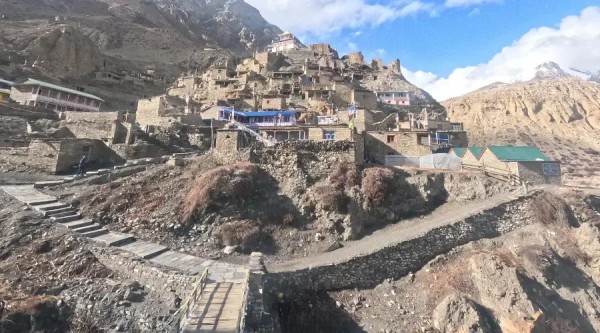
Real cultural variety in a short span. You pass through Tamang villages near Chisapani, Sherpa-Hyolmo communities around Kutumsang, and then into the heart of Helambu, where Tarke Gyang and Sermathang preserve some of the most distinctive Buddhist architecture and wood carving in the country.
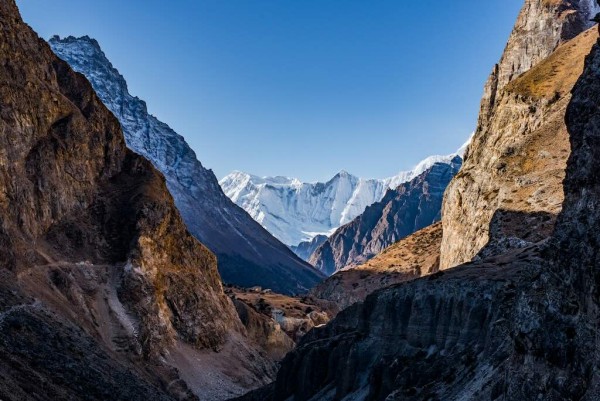
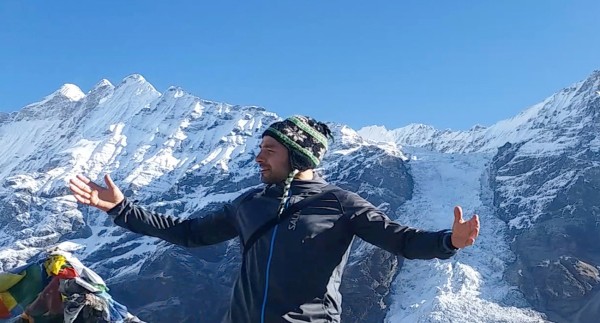
Mountain views without the climb. From Chisapani and again from Tharepati, you get sweeping views across Langtang, Jugal Himal, Ganesh Himal, Manaslu and, on a clear day, out toward Annapurna, without needing to gain the kind of altitude those views usually demand.
A gentle trail with just enough challenge. There are climbs, and a few of the days are long, but nothing here approaches the sustained difficulty of a high pass crossing. It's a trek that rewards reasonable fitness rather than demanding serious mountaineering conditioning.
Trekking Distance and Daily Walking Time
Across the full route, you'll cover roughly 70–80 km on foot, spread over seven walking days. Daily distances run 10 to 12 km, and walking time typically falls between 4 and 7 hours, depending on the day's terrain and your pace.
The longest and most demanding day is Day 3, the push to Thadepati (Tharepati), which climbs through dense rhododendron and pine forest to the trek's highest point. The shortest days come toward the end, as the trail descends from Sermathang through Kakani and down to Melamchi Bazaar, losing altitude steadily as the villages get warmer and the forest changes character.
9-Day Langtang Helambu Trek Itinerary
Day 1: Arrival in Kathmandu (1,400 m)
You're met at the airport and transferred to your hotel. In the evening, your guide runs through the trek, the trail conditions, local culture and a few practical dos and don'ts before you set off.
Day 2: Drive to Sundarijal, trek to Chisapani (2,200 m) — 4 hours
A short morning drive brings you to Sundarijal, on the eastern rim of the Kathmandu Valley. From here you climb through forest past waterfalls, entering Shivapuri Nagarjun National Park, before reaching the ridge at Chisapani. This is one of the trek's best viewpoints, with the Annapurna, Manaslu, Ganesh Himal, Langtang and Jugal Himal ranges all visible on a clear day, and it's a well-known spot for sunrise and sunset.
Day 3: Trek to Kutumsang (2,446 m) via Gul Bhanjyang (2,125 m) — 6 hours
The trail dips through Pati Bhanjyang, home to Hindu Brahmin and Chhetri communities, before climbing again to Gul Bhanjyang, a Tamang village. From there the walk continues to Kutumsang, a mixed Sherpa, Hyolmo and Tamang village with good mountain views and a relaxed afternoon to explore.
Day 4: Trek to Thadepati / Tharepati (3,567 m) — 5 hours
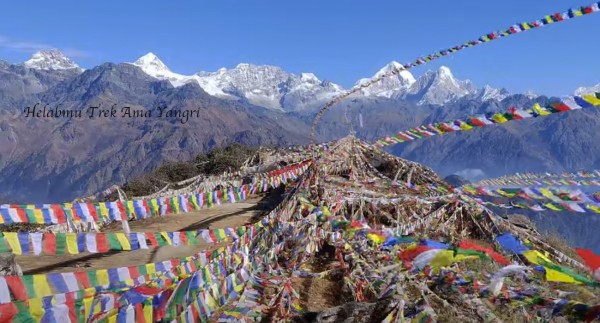
The big day of the trek. You climb through dense rhododendron, pine and oak forest toward Yurin Danda, cross a small pass at around 3,510 m, and continue to Tharepati, the trek's highest point. The reward is a wide view over Langtang and Jugal Himal from a scenic, if sparsely developed, mountain settlement.
Day 5: Trek to Tarke Gyang (2,590 m) via Melamchi Gaon (2,560 m) — 6 hours
You descend through forest thick with rhododendron, hemlock, fir and pine, passing seasonal herders' camps before reaching Melamchi Khola and climbing to Melamchi Gaon, a Hyolmo and Tamang village known for its carved windows and doors. After lunch, the trail continues to Tarke Gyang, the main settlement of the Helambu region, where the Ama Yangri monastery sits above the village.
Day 6: Trek to Sermathang (2,610 m) — 4 hours
A gentler day, descending through forest past Buddhist chortens and stupas to Gangyul, then on to Sermathang, another Hyolmo village with its own monastery worth visiting in the afternoon.
Day 7: Trek to Kakani (1,340 m) — 5 hours
The trail winds downhill through pine forest and small farming hamlets, passing a stupa and statue of Guru Rinpoche, before reaching Kakani for your final overnight stop in the Helambu region.
Day 8: Trek to Melamchi Bazaar, drive to Kathmandu — 5 hours
The last trekking day continues downhill through Duba Chaur and across a suspension bridge to Melamchi Bazaar. From here, a scenic drive via the old town of Dhulikhel brings you back to Kathmandu.
Day 9: International Departure
Transfer to the airport for your onward flight home.
Permits for the Langtang Helambu Trek
This route passes through both a national park and a conservation area, so you'll need a couple of permits, though nothing on the scale of a restricted-area trek.
| Permit | Purpose |
|---|---|
| Shivapuri Nagarjun National Park Entry | Covers the park section near Sundarijal and Chisapani |
| Gaurishankar Conservation Area Permit | Required for the Helambu section of the route |
| TIMS Card | Tracks trekkers for safety, required for all trekkers in the region |
These permits are straightforward to arrange and don't require a minimum group size or a special agency application, unlike restricted areas such as Manaslu or Upper Mustang. If you book with Mountain Eco Treks, all necessary paperwork and permits are included in your package.
How Difficult Is the Langtang Helambu Trek?
We'd call this moderate, on the easier end of that range. It's a genuinely good option for trekkers without prior high-altitude experience, though it still asks something of you.
- Manageable altitude. Topping out at 3,567 m, this trek sits well below the elevations where altitude sickness typically starts causing problems.
- Daily distances of 10–12 km. Not extreme, but enough to require a reasonable fitness base, especially on Day 3 to Tharepati.
- Steep sections. The trail has real ups and downs, particularly on the climb to Chisapani and again toward Tharepati.
- No technical terrain. There's no glacier travel, scrambling or exposed ridge walking here, just forest trails and village paths.
Who Is This Trek For?
This trek suits a wide range of travelers, including first-timers to Nepal, families with older children, and anyone who wants real mountain scenery without committing to weeks of preparation. That said, it isn't a stroll: expect several hours of walking daily, some with real elevation gain, so a baseline of general fitness matters.
Best Season for the Langtang Helambu Trek
Autumn (September to November): the standout choice. Clear skies, stable weather and the best visibility of the year for the mountain views from Chisapani and Tharepati.
Spring (March to May): a close second. Warmer days and rhododendron forests in full bloom, particularly through the lower and middle sections of the trek. Afternoon cloud is a bit more common than in autumn.
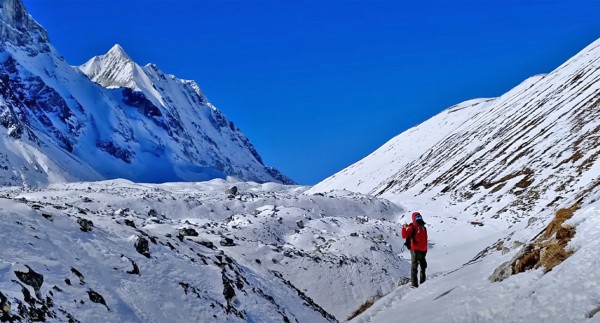
Winter (December to February): quiet, but cold. Tharepati and the higher sections can see snow, and some teahouses run on reduced service. Still trekkable for well-prepared travelers who don't mind the cold and want fewer crowds.
Monsoon (June to August): the season to skip. Heavy rain, slippery trails, leeches in the lower forest sections, and clouds that hide the very views this trek is built around.
Cost and What's Included
Pricing depends on group size and season, and the operator's current package is a Standard Plan with all core services bundled in. Check the current price and available dates before booking.
Typically included:
- All ground transport in private vehicles, including airport transfers and the drive to Sundarijal and from Melamchi Bazaar
- 2 nights' hotel accommodation in Kathmandu with breakfast
- Three daily meals during the trek, with unlimited chlorine-treated drinking water
- Tea and coffee, plus energy snacks and seasonal fruit
- One experienced guide and porters, including their food, accommodation, salary and equipment
- All necessary permits and paperwork
- A down sleeping bag for use during the trek, if needed
- A duffel bag, trekking route map and a first-aid kit
- Government taxes and a farewell dinner of typical Nepali food
Typically not included:
- Lunch and dinner in Kathmandu
- Boiled or bottled water beyond what's provided on the trek
- Wi-Fi and device charging
- Personal travel insurance
- Snacks and other personal expenses
- Hot showers during the trek
- Private jeep upgrades
- Personal trekking equipment
- Tips for guides, porters and drivers
Accommodation, Food and Connectivity
Accommodation. You stay in teahouses and lodges throughout, typically twin-sharing rooms with shared bathrooms. Don't expect luxury here, the appeal of this route is the scenery and culture, not the beds, but the rooms are clean and comfortable enough for a short trek.
Food. Teahouse menus are varied and fresh. Breakfast usually includes options like oats, Tibetan bread, chapati, hash browns and eggs cooked to order. Lunch and dinner bring dal bhat, fried noodles, Sherpa stew, momos, pasta, pizza and paratha, with vegan and vegetarian options widely available.
Water. Water sources on the trail aren't safe to drink untreated. Your trekking company provides purification tablets, and it's worth carrying a thermos for boiled water where available.
Connectivity. Mobile signal is patchy given the hilly, gorge-heavy terrain, working in some villages and disappearing in deeper valleys. Trekkers commonly share the trekking company's contact number with one family member back home so updates can be relayed when signal returns.
What to Pack
- Documents: passport, visa, travel insurance and passport photos
- Layers: T-shirts, a fleece jacket or pullover, a wool sweater or fleece for cooler evenings, and lightweight trousers
- Warmth: a down jacket, a warm hat or balaclava, and gloves, since Tharepati and the higher sections can turn cold quickly
- Footwear: broken-in, comfortable walking shoes, plus sandals for evenings at the lodge, and 3–4 pairs of wool-blend socks
- Sleep: a down sleeping bag (available through the operator if needed)
- Daypack: 10–15 liter capacity for your daily essentials
- Health: a basic first-aid kit, sun protection, insect repellent and any personal medication
- Extras: a headlamp, a refillable water bottle with purification tablets, trekking poles, a power bank and charging cables
Pack extra warm clothing if you're trekking between December and March, especially for anything above 3,000 m.
Frequently Asked Questions
1. How long is the Langtang Helambu Trek, and how many days do I actually spend walking?
The standard itinerary runs 9 days from Kathmandu to Kathmandu, but only 7 of those are trekking days. Day 1 is arrival and briefing in Kathmandu, and Day 9 is your international departure, so the walking itself happens between Day 2 (drive to Sundarijal and trek to Chisapani) and Day 8 (final descent to Melamchi Bazaar and drive back to Kathmandu). This compact structure is part of what makes the trek appealing for people without weeks of free time, you get genuine mountain trekking without a long commitment. See the full day-by-day itinerary for details.
2. What is the highest point of the Langtang Helambu Trek?
The highest point is Tharepati Ridge (also spelled Thadepati) at 3,567 m (11,703 ft), reached on Day 4. From here, you get sweeping views of Dorje Lakpa, Mt. Gaurishankar and the Langtang Himal range. This altitude is notably lower than treks like Everest Base Camp or Annapurna Circuit, which is precisely why this route carries a much lower risk of altitude sickness while still delivering genuine high-ridge mountain scenery.
3. How difficult is the Langtang Helambu Trek?
It's rated moderate, sitting on the accessible end of that range. There's no technical climbing, glacier travel or exposed scrambling anywhere on the route, just forest trails and village paths with a fair number of ups and downs. The trek does require reasonable physical fitness and some stamina for the longer days, particularly Day 3 to Kutumsang and Day 4 to Tharepati, both around 5-6 hours with real elevation gain. That said, the low maximum altitude (3,567 m) means this is one of the gentler multi-day treks in Nepal, and a good option for people without prior high-altitude experience.
4. How many hours do I walk each day, and what's the daily distance?
Daily walking time typically ranges from 4 to 7 hours, with most days falling on the shorter end of that range according to the detailed itinerary, closer to 4-6 hours. Daily distance runs approximately 10 to 12 km. The longest and most demanding day is Day 3-4 territory, climbing toward Tharepati through dense forest, while the final days out of Sermathang and Kakani are shorter and mostly downhill as you lose altitude heading toward Melamchi Bazaar.
5. Do I need previous trekking experience to do this trek?
No, you can absolutely do the Langtang Helambu Trek without any prior trekking experience. That said, maintaining basic physical and mental fitness beforehand is recommended, since you'll be walking several hours a day over multiple days with some steep sections. It's also worth being prepared for variable weather conditions in the hills, and going with an experienced trekking guide is strongly advised, both for navigation support and for getting the most out of the cultural and natural highlights along the way.
6. What permits do I need for the Langtang Helambu Trek?
You'll need a Shivapuri Nagarjun National Park entry permit (for the section near Sundarijal and Chisapani), a Gaurishankar Conservation Area permit (covering the Helambu portion of the route), and a TIMS card (Trekkers' Information Management System), required for all trekkers in the region. Unlike restricted areas such as Manaslu or Upper Mustang, none of these require a minimum group size or special agency application processes, they're straightforward to arrange. When you book through a trekking agency, all necessary permits and paperwork are typically included in your package.
7. Is there an age limit for the Langtang Helambu Trek?
There's no strict age limit, but all trekkers need to be physically fit enough to handle the trail conditions, which include long daily hikes with some challenging terrain. Children under 12 must be accompanied by a parent or guardian. If you have any pre-existing medical conditions, it's worth consulting a doctor before booking, just to confirm you're comfortable with multi-day hiking at moderate elevation. This trek is often recommended as family-friendly compared to more demanding routes, given its manageable altitude and moderate daily distances.
8. What is the accommodation like along the trek?
You'll stay in teahouses and lodges throughout the trek, typically in twin-sharing rooms with a shared bathroom. Don't expect luxury facilities, this isn't that kind of trek, but the rooms are generally clean and comfortable enough for a short journey through the hills. Since this route doesn't reach the high, remote altitudes of treks like Everest Base Camp, the lodges tend to be a bit more developed and consistently available than what you'd find on longer, more isolated routes.
9. What kind of food is available during the trek?
Teahouse menus along this route are surprisingly varied, and most items are freshly prepared. For breakfast, expect options like oats, Tibetan bread, chapati, plain bread, hash browns and eggs cooked in different styles, along with tea or coffee. For lunch and dinner, you'll find fried noodles, traditional dal bhat, Sherpa stew, steamed or fried momos (dumplings with vegetable or meat filling), pasta, pizza, paratha, burgers and more. Vegan and vegetarian trekkers are well catered for, since plant-based versions of most dishes are readily available at teahouses along the route.
10. How is the drinking water situation on the trek?
Water sources along the trail are generally not safe to drink without treatment. Your trekking company typically provides water purification tablets to make trail water safe, and it's strongly recommended to carry a thermos so you can fill up with boiled and filtered water at lodges along the way. Bottled water is available for purchase at teahouses but comes at an additional cost and isn't included in standard trek packages, partly for environmental reasons as well.
11. What is mobile phone and internet connectivity like during the trek?
Cellular coverage is patchy throughout the trek, which is typical for Nepal's hilly, gorge-heavy terrain. Signal tends to work reasonably well on high ridges and in more developed villages, but disappears in deep valleys and gorges hidden by surrounding hills. It's still possible to find coverage at some villages along the route and at higher altitudes like Tharepati. A practical tip many trekkers use is sharing their trekking company's phone number with one family member back home, so updates can be relayed once signal becomes available, rather than relying on daily contact.
12. Will I see wildlife during the Langtang Helambu Trek?
This trek is more focused on cultural and scenic exploration than wildlife viewing. While you might spot some wild animals along the way, sightings are never guaranteed, and wildlife isn't really the centerpiece of this particular route the way it might be on a trek through, say, Chitwan or a national park with better-known wildlife corridors. The real highlights here are the mountain panoramas from Chisapani and Tharepati, and the cultural richness of villages like Tarke Gyang and Sermathang.
13. What is the best time of year to do this trek?
Autumn (September to November) is the standout season, with clear skies, stable weather and the best mountain visibility of the year from viewpoints like Chisapani and Tharepati. Spring (March to May) is a close second, bringing warmer temperatures and rhododendron forests in full bloom through the lower and middle sections, though afternoon cloud is somewhat more common than in autumn. Winter (December to February) is trekkable but cold, with possible snow at Tharepati and reduced teahouse services in places. The monsoon (June to August) is best avoided entirely, given heavy rain, slippery trails, leeches at lower elevations and obscured mountain views.
14. Is travel insurance mandatory for the Langtang Helambu Trek?
While not strictly a legal requirement to enter Nepal, travel insurance is strongly recommended for this trek. It covers unexpected events like illness, injury, trip cancellation or the need for evacuation, and provides financial protection against the kinds of incidents that can happen on any trek, however moderate the difficulty. When choosing a policy, make sure it specifically covers trekking activities at the altitudes you'll reach (up to 3,567 m on this route), rather than assuming a generic travel policy will apply.
15. What does the trek cost include and exclude?
Pricing depends on group size and season, so check the current rates before booking. The package typically includes:
- All private vehicle transport, including airport transfers and drives to/from Sundarijal and Melamchi Bazaar
- 2 nights' hotel accommodation in Kathmandu with breakfast
- Three daily meals during the trek, plus unlimited treated drinking water, tea/coffee, and snacks
- An experienced guide and porters, including their wages, food and equipment
- All necessary permits and paperwork
- A duffel bag, trekking map, first-aid kit and a farewell dinner
It typically excludes lunch and dinner in Kathmandu, bottled water, Wi-Fi, device charging, personal travel insurance, hot showers on the trek, personal trekking equipment, and tips for guides and porters.
Conclusion
The Langtang Helambu Trek is proof that a short trip to Nepal doesn't have to mean a watered-down version of the Himalayas. In nine days you get genuine mountain panoramas, distinctive Hyolmo villages, forest trails thick with rhododendron, and a level of physical challenge that respects your time without asking for months of preparation. It's an easy trek to recommend to first-timers, and an equally good pick for returning visitors who want something scenic and low-key between bigger adventures.
To see the full itinerary, current pricing and available dates, visit the Langtang Helambu Trek page, or get in touch with the team with any questions about season, fitness or customizing the trip.
Recent From Blog

19th Apr, 2019


23rd Dec, 2018

11th Jan, 2024

14th Jan, 2024

29th Jan, 2025

11th Feb, 2025

18th Feb, 2025

25th Feb, 2025

5th Apr, 2025
23rd Dec, 2025
9th May, 2026
12th Jul, 2026

13th Aug, 2026
13th Aug, 2026
13th Aug, 2026

16th Aug, 2026
20th Aug, 2026


11th Sep, 2026
24th Sep, 2026